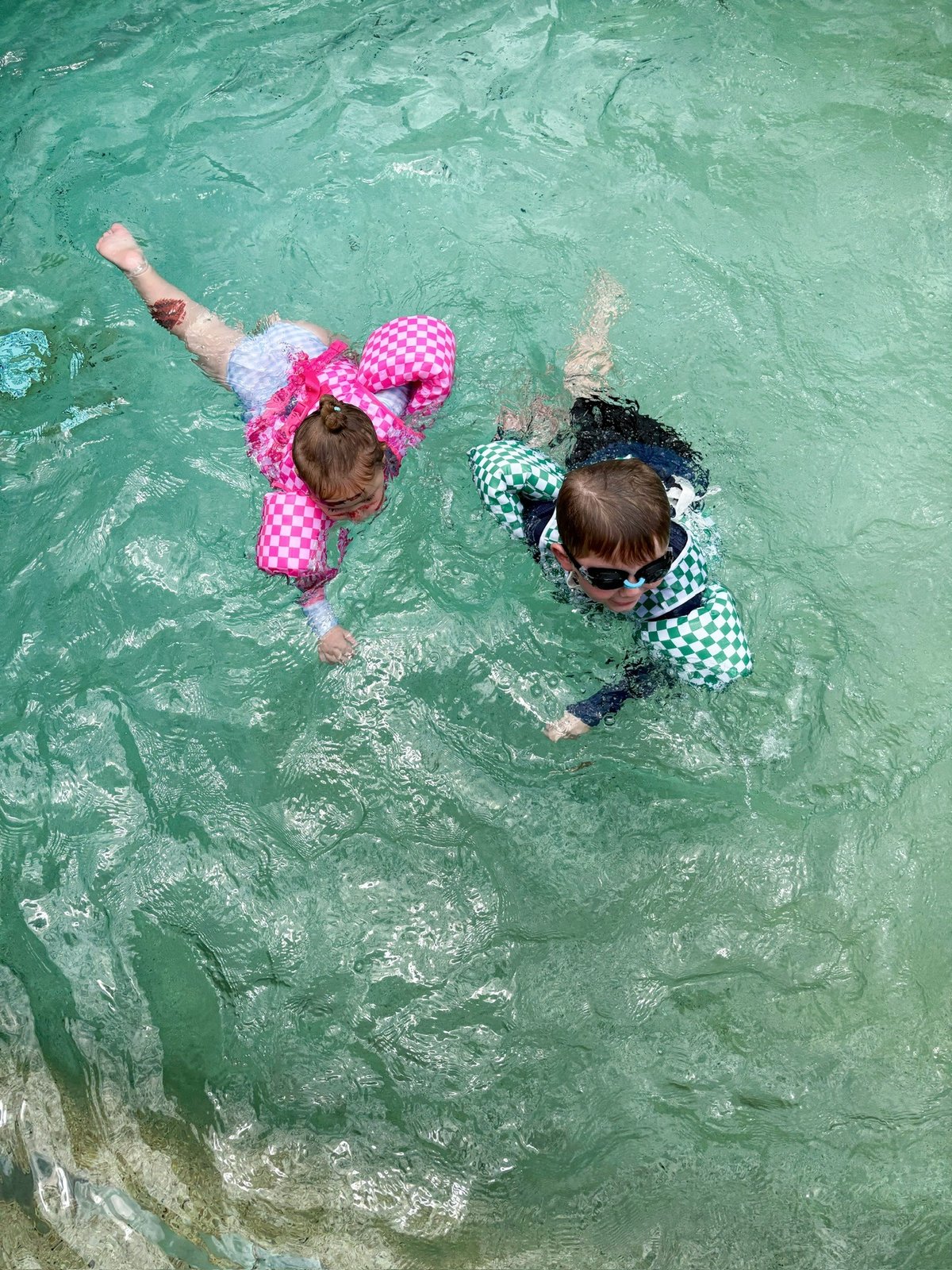

Getting comfortable in the water is an important part of learning to swim. For some toddlers, the pool is exciting from the very beginning. For others, the unfamiliar sounds, splashing and feeling of floating can take time to get used to.
The goal doesn't need to be swimming independently right away. Helping your child build positive experiences around water can be an important first step.
Here are some simple ways parents can help toddlers become more comfortable and confident in the water.
1. Start Slowly
Don't feel like your toddler needs to jump straight into the pool.
Start by sitting together near the edge, putting feet in the water or playing on a shallow step. Allowing children to experience the water gradually can make the environment feel more familiar.
If your child seems uncomfortable, give them time rather than forcing the experience.
2. Get in the Water With Them
For young children, having a parent or trusted adult nearby can make a big difference.
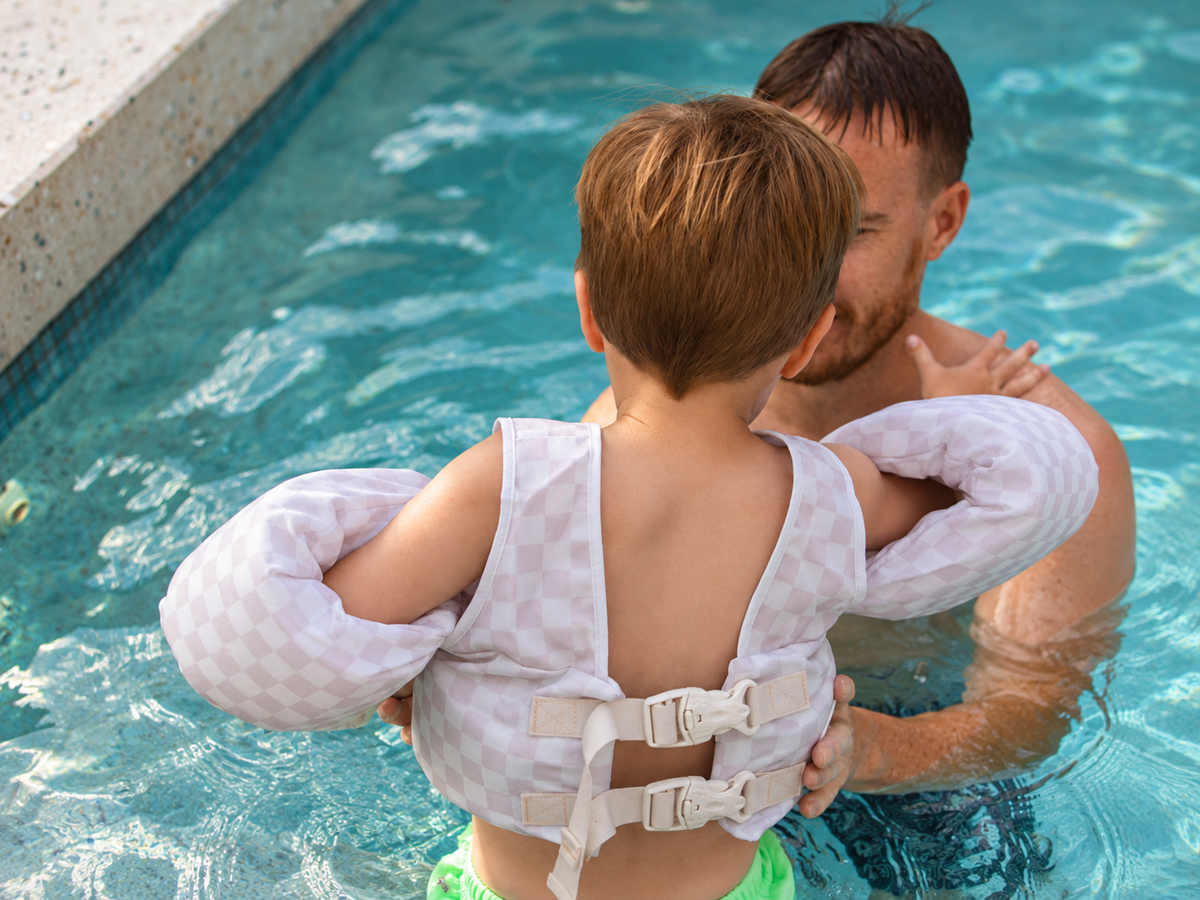
Get into the water with your child and stay within immediate reach. Talk to them, play games and let them explore while you remain actively engaged.
For toddlers, water time should always involve constant, capable adult supervision.
3. Make Water Time Fun
Toddlers often learn through play.
Simple activities can help make being in the water feel less intimidating. Try:
- Pouring water between cups
- Reaching for floating toys
- Blowing bubbles in the water
- Splashing together
- Singing familiar songs
- Practicing kicking while you provide support
The objective is to create positive experiences rather than turn every pool session into a formal swimming lesson.
4. Practice Getting Their Face Wet
Some children are comfortable being in a pool but become nervous when water touches their face.
Start gradually. Splash a little water on their arms and shoulders before introducing water around their face. Eventually, children can practice blowing bubbles and briefly putting parts of their face into the water when they're ready.
Never force a child's head underwater.
5. Consider Professional Swim Lessons
Parent-led water play can help children become familiar with the pool, but it isn't a replacement for formal swimming instruction.
Age-appropriate swim lessons with a qualified instructor can introduce children to swimming and water-safety skills in a structured environment.
Look for programs specifically designed for your child's age and current swimming ability.
6. Choose an Appropriate Flotation Product
Parents may choose to use flotation products during certain recreational water activities.
If you use one, check the manufacturer's age and weight recommendations, intended use and fit instructions before putting it on your child.
Different products—including swim floats, swim vests and U.S. Coast Guard-approved life jackets—are designed for different purposes.
If you're trying to understand those differences, read our guide Swim Float vs. Swim Vest: What's the Difference?
7. Make Sure the Swim Float Fits Properly
If your child uses a wearable swim aid, proper sizing matters.
Drip Floats are designed for children ages 2+ weighing approximately 25–50 lbs and feature adjustable shoulder and back straps.
For more information about sizing and fit, see What Size Swim Float Does My Child Need?
8. Don't Let a Flotation Aid Create False Confidence
A child wearing a flotation product still requires constant adult supervision.
Swim aids can change how a child experiences the water, so children should also receive appropriate swimming instruction and learn water-safety skills as they develop.
Never assume that a child is safe in or around water simply because they're wearing a flotation product.
Building Confidence Takes Time
Every child develops differently. Some toddlers may become comfortable in the pool quickly, while others need repeated positive experiences before they begin exploring the water confidently.
Keep water experiences positive, stay close and allow your child to progress at an appropriate pace.
If you're looking for a wearable learn-to-swim aid for supervised recreational pool use, explore the Drip Floats Kids Floaties collection.
Important: Drip Floats are learn-to-swim aids and are not U.S. Coast Guard-approved life jackets or lifesaving devices. Always use with constant, capable adult supervision.